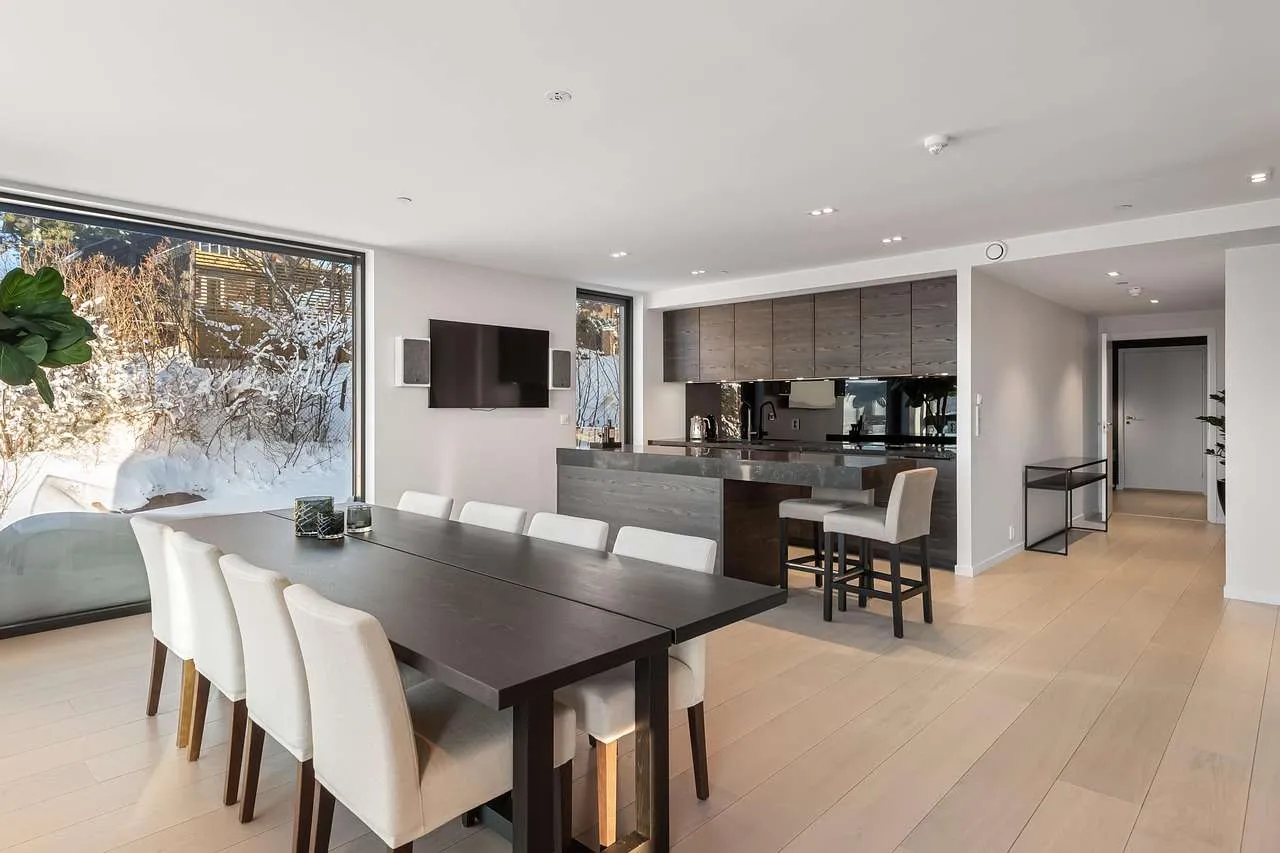
Home window tinting is a practical upgrade for modern homes, combining comfort, protection, and style. With the right film, you can cut heat, block UV rays, and maintain natural light while improving privacy. This guide covers what tinting is, how it works, the best options for residential use, and how to choose a trusted installer that adheres to EEAT principles.
What is Home Window Tinting?
Residential window tinting refers to applying a thin film to the interior surface of windows. The film adds a layer that can reflect heat, block UV light, reduce glare, and provide privacy. Modern films are designed to be durable, fade resistant, and available in a range of hues that comply with local laws. The right tint enhances comfort without making rooms feel closed in, and it can be tailored to different windows such as large panes, skylights, and sliders.
Benefits of Home Window Tinting
- Heat and glare reduction for more comfortable living spaces
- UV protection to guard upholstery, artwork, and skin exposure
- Energy savings by lowering cooling demand and reducing peak loads
- Enhanced privacy while preserving daylight and outdoor views
- Improved safety by helping hold glass in place if a window is damaged
Tints Types and How They Work
Dyed window film
Dyed films use layered dyes to absorb heat and create a solid color. They are cost effective and provide good privacy with moderate UV protection, but some may fade over time and offer less long term heat rejection than advanced options.
Metalized film
Metalized films reflect a portion of heat and add strength to the glass. They can improve energy performance and glare control, but may interfere with some electronic signals and show a metallic appearance that may not suit every home style.
Ceramic and nano ceramic films
Ceramic films use nonconductive particles to reject heat without affecting visibility or color. Nano ceramic variants push heat rejection and UV protection to high levels with minimal glare and no signal interference, though they typically cost more than dyed or metalized options.
Choosing the Right Tint Type
Consider climate, window orientation, privacy needs, and any electronics or smart devices in the room. For homes with large south facing panes, a high performance ceramic film often delivers the best energy savings. If privacy is a priority with moderate tint, a lighter ceramic or a dyed film could be ideal. Always check local tint laws and building codes to stay compliant.
Installation and Compliance
Work with an IWFA certified installer to ensure proper handling and warranty adherence. Professional installation includes thorough cleaning, edge sealing, and a post installation inspection. Homeowners should verify warranty terms, fade resistance, and the ability to replace damaged films without removing glass. Be aware of local tint limit laws, as violations can require removal or fines.
Costs and Return on Investment
Residential tint costs vary by film type, window size, and labor. Typical ranges per window also vary by region. While ceramic and nano ceramic films carry higher upfront costs, they often deliver greater energy savings and longer lifespans, which improves the return on investment over time. A well chosen tint can reduce cooling bills, extend furniture life, and increase overall home comfort.
Tint Type Comparison
| Type | Heat Rejection | UV Rejection | Glare Reduction | Signal Interference | Typical Cost |
|---|---|---|---|---|---|
| Dyed film | Moderate | Good | Moderate to strong | No | 5 to 8 per sq ft |
| Metalized film | High | Moderate to high | Good | Possible | 6 to 10 per sq ft |
| Ceramic film | Very high | Excellent | Very good | None | 8 to 15 per sq ft |
| Nano ceramic film | Excellent | Excellent | High | None | 10 to 15 per sq ft |
Maintenance and Care
Care for tinted windows with nonabrasive cleaners and a soft cloth. Follow manufacturer instructions for curing and avoid aggressive scrubbing in the first week. Regular inspections help spot edge lifting or bubbling early, and routine cleaning preserves clarity and longevity of the film.
Summary, home window tinting offers comfort and energy savings when you select the right film and a credentialed installer. By understanding tint types, local laws, and warranty terms, homeowners can make an informed decision that adds lasting value to their home.